1994 Toyota Celica GT-Four (ST205) vs 2016 Mazda MX-5 Miata
AI Telemetry Verdict:In this head-to-head, the 2016 Mazda MX-5 Miataholds the statistical edge in Performance Index (550). For the technical touge passes of Mount Fuji, the 2016 Mazda MX-5 Miatais the superior technical chassis due to its refined lateral G-force profile.
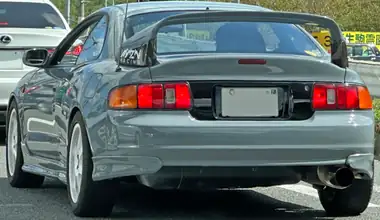
1994 Toyota Celica GT-Four (ST205)
Toyota
2016 Mazda MX-5 Miata
Mazda"In a head-to-head battle, the 2016 Mazda MX-5 Miata edges out the 1994 Toyota Celica GT-Four (ST205) primarily due to its exceptional Performance Index performance."
| 1994 Toyota Celica GT-Four (ST205) | Metric | 2016 Mazda MX-5 Miata |
|---|---|---|
| 550 | Performance Index | 550 |
| 5.6 | Speed | 5.6 |
| 5.4 | Handling | 5.8 |
| 5.8 | Acceleration | 5.2 |
| 6.2 | Launch | 4.9 |
| 5.1 | Braking | 5.4 |
| 5.5 | Offroad | 4 |
| 145 | Top Speed (MPH) | 138 |
| 3060 | Weight (lbs) | 2332 |
| AWD | Drivetrain | RWD |
| 25,000 | Price (CR) | 28,000 |
📈 Technical Data Analysis:
Speed & Acceleration Analysis
When it comes to straight-line performance, the 1994 Toyota Celica GT-Four (ST205) boasts a speed rating of 5.6, while the 2016 Mazda MX-5 Miata hits 5.6.
The 2016 Mazda MX-5 Miata pulls ahead in long stretches, making it a formidable opponent on the Tokyo highways.
Handling & Cornering Dynamics
In the tight technical sections of the Mount Fuji passes, handling is everything. The 1994 Toyota Celica GT-Four (ST205) features a handling score of 5.4, whereas the 2016 Mazda MX-5 Miata manages 5.8.
The 2016 Mazda MX-5 Miata maintains superior stability through high-speed sweepers, minimizing the risk of traction loss.
Launch & Braking Efficiency
Off the line, the 1994 Toyota Celica GT-Four (ST205) uses its 6.2 launch rating to grip and go, while the 2016 Mazda MX-5 Miata relies on its 4.9 rating.
Braking from high speeds is equally critical; the 1994 Toyota Celica GT-Four (ST205) stops with a score of 5.1, while the 2016 Mazda MX-5 Miata records 5.4.
🏁 Race Scenario Breakdown
Higher top speed rating allows for sustained high-velocity overtaking.
Superior braking and handling allow for more aggressive entry and exit speeds.
Suspension travel and tire compound optimization for loose surfaces.