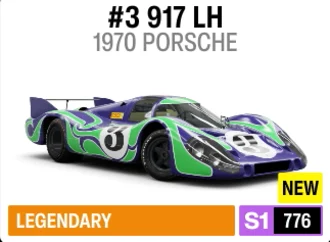
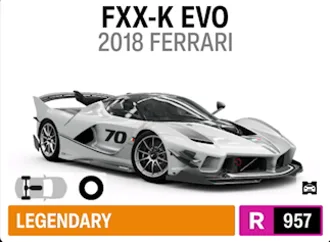
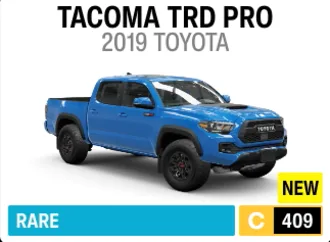
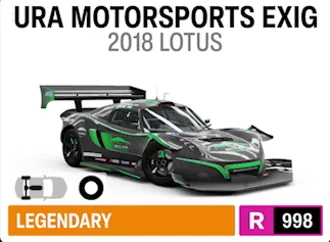
Forza Horizon 6 Japan: Series 4 Mascot Party Update & Kinetic Handling Meta
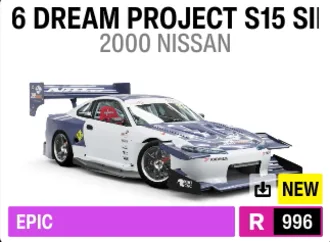
Forza Horizon 6 marks a pivotal shift for the franchise, transitioning to a highly detailed fictionalized Japan. Moving into August 2026 with the Series 4 "Mascot Party" Update, the festival shifts heavily into Japanese car culture, fan-requested JDM icons, and dedicated touge drift challenges. FH6's "Kinetic Handling Physics" dynamically tracks tire temperature and surface graining across Tokyo's neon expressways and Mount Fuji passes.
The "Wristband Progression System" and seasonal Festival Playlist dictate technical progression. With Series 4 introducing community drift attack modes and 25 new livery shapes, unlocking sequential gearboxes and active aero allows drivers to squeeze maximum Performance Index (PI) efficiency out of both modern hypercars and classic tuner platforms.
Whether you are optimizing a GR Supra for mountain touge, a Nissan Z Nismo for city battles, or a Rimac Nevera for highway sprints, our database provides the exact base telemetry—weight distribution, torque curves, and aero drag—that serious tuners need to dominate the Horizon Leaderboards.
Official Status vs. Supported Calculator Baseline
Official Game Version: Series 4 "Mascot Party" Title Update (v360.312, released August 11, 2026). This official update introduces critical stability fixes across PC and console platforms, reducing micro-stuttering on RTX 40-series GPUs and resolving wheel telemetry dropouts.
Calculator Supported Version: Series 1 Hotfix 2 (Data Verified: May 27, 2026). While our editorial and car rosters track Series 4, underlying physics calculators operate on the Series 1 Hotfix 2 telemetry baseline while Series 4 handling curve changes are being benchmarked.
Transparency & Verification: We clearly label the supported game version on every calculator page so racers always know the precise telemetry benchmark used in each simulation.