text## Mastering Crafting and Blueprints in Dying Light: The Beast
The intricate world of Dying Light: The Beast places immense importance on the crafting and blueprint system, transforming resource management into a strategic discipline.
Kyle Crane’s survival relies not just on collecting items, but on understanding the underlying "Optimization Tax"—the effort required to maximize efficiency in a game defined by resource scarcity and complex calculations.
---
This comprehensive guide delves into the detailed mechanics of blueprint upgrading, cost management, and the crucial calculations required to master the crafting economy of Castor Woods.
I. Blueprint Quality and Enhancement Mechanics
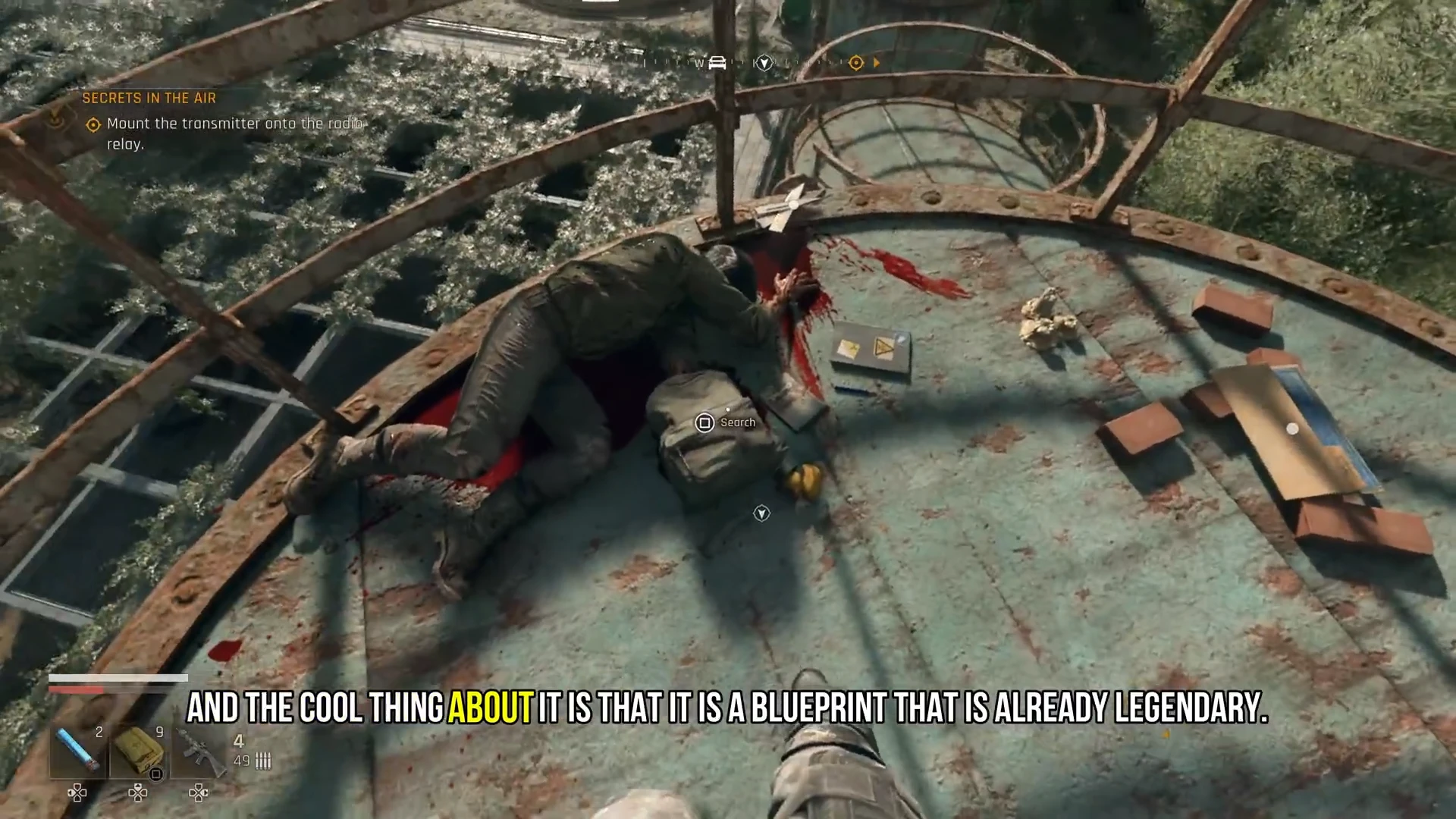
Craftable items, known as blueprints, range in quality from Common to Legendary. Improving a blueprint’s quality is one of the most critical long-term investments a player can make, as it grants permanent, tangible benefits to all items subsequently crafted from that blueprint.
 text
text
The Manual Page System
The quality enhancement system uses specialized Manual Pages to increase the quality tier of your craftables.
- Acquisition and Tiers: The availability of Manual Pages is tied directly to Kyle Crane’s player level.
Beginner Manual Pages are found in the early game. Intermediate Manual Pages become available once the player reaches level six. These intermediate pages will appear even in locations where beginner pages were previously found.
- Conversion: If you accumulate a surplus of beginner pages, a new option appears at your workbench allowing you to convert them into Intermediate quality Manual Pages.
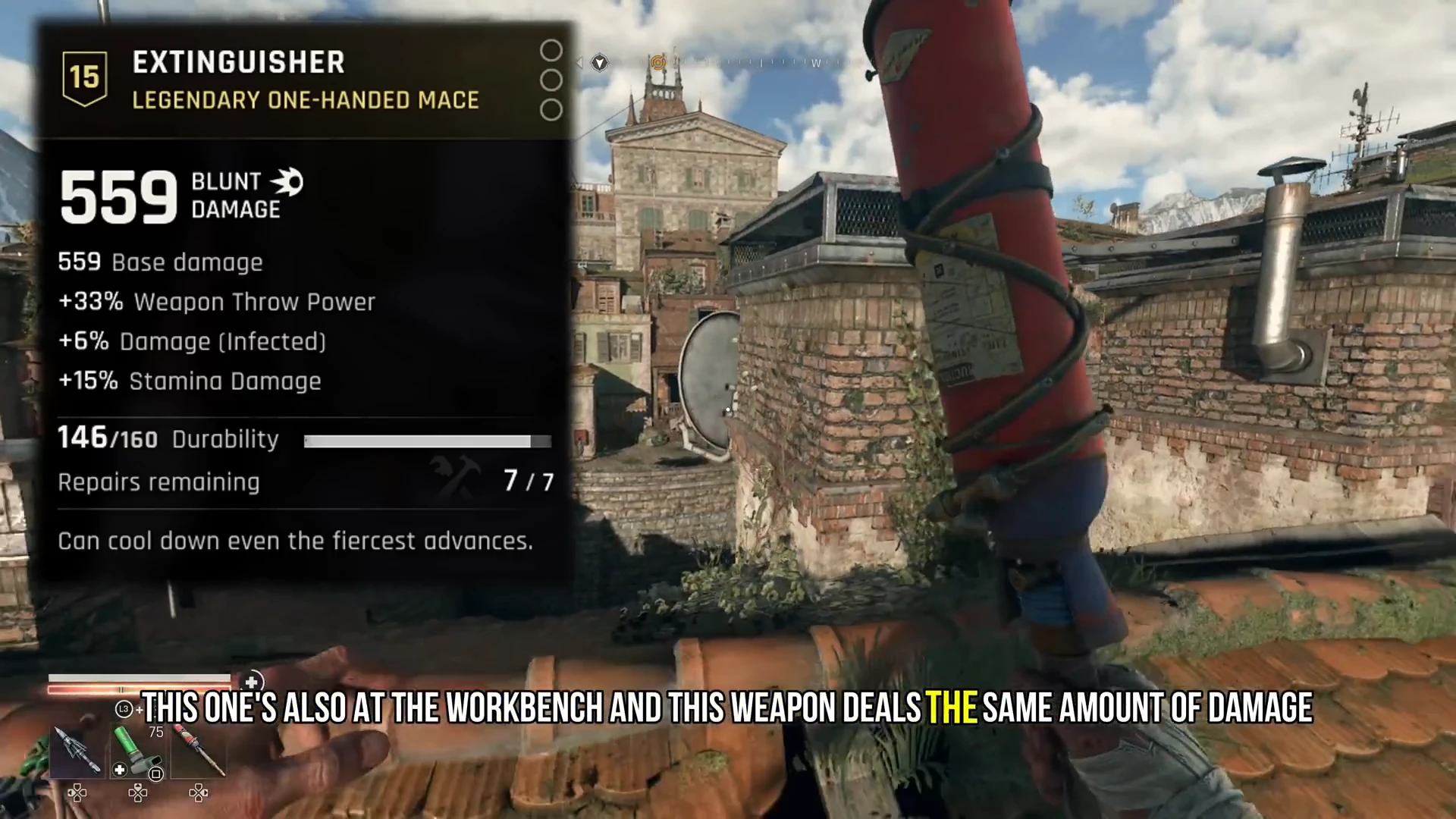
- Permanent Benefits of Quality: Upgrading a blueprint's quality provides vital enhancements that dramatically improve the utility of the crafted item. These benefits typically include extra mod slots and increased durability.
 text
text
Strategic Calculation: Upgrading vs. Recrafting
When dealing with a weapon crafted from a blueprint, you face a constant cost decision: whether to upgrade its stats or recraft it entirely.
Upgrading Current Items (Leveling): If you simply need to increase a weapon's base stats (like moving from the stats of an item crafted at Player Level 3 to Player Level 6), upgrading is generally cheaper than recrafting the exact same item. This conserves materials like scrap and wiring.
Recrafting (Quality Improvement): You must recraft an item when you improve the blueprint's quality (e.g., advancing the blueprint from Rare to Epic using Manual Pages). This is the critical calculation point: recrafting is necessary to ensure the resulting item receives the full permanent benefits of the higher quality, such as the promised extra mod slots and superior durability.
---
II. Calculation Guide: Cost Efficiency and Prioritization
Effective resource management mitigates the severe resource scarcity inherent to the game. Players must prioritize which items receive their limited materials, particularly rare Infected Trophies.
Priority Blueprints (The Best Investments)
When beginning the journey in Castor Woods, invest your early resources and Manual Pages into these essential blueprints:
Bandage: This is Kyle’s absolute priority number one for upgrading, as it is the main source of healing and acts as the player's lifeline. Players will likely find themselves constantly running out of Rags due to perpetually crafting Bandages. Upgrade the Bandage to Epic quality as soon as possible. Molotov: The Molotov is recommended for early leveling because it provides quiet Area of Effect (AoE) damage, making it highly effective for clearing infected enemies, especially when combined with a Decoy.
Hunting Bow: This Ranged weapon is crucial for stealth situations and acquiring enemy kills from a safe distance. The Hunting Bow blueprint starts at Rare Quality and should be upgraded once Intermediate Manual Pages are acquired.
Upgrading the blueprint increases its damage, draw time, and firing distance. Clearing the Gas Station Voltage Pole Safe Spot unlocks Fire Arrows, further increasing the weapon’s utility. Endurance Booster: While not listed in the highest tier, the Endurance Booster is essential for stamina, particularly for escaping dangerous nighttime encounters with Volatiles.
Resource Cost Calculations
The need for crafting efficiency drives players to seek precise calculations regarding material cost and drop rates.
Crafting Cost Calculator (Batch Crafting): Since basic consumables like lockpicks (3x Scrap) and arrows (10 Scraps, 2 Feathers) are crafted frequently, players need tools to calculate the aggregated material cost for a desired quantity of items. A reliable system would allow a player to input, for example, "I want 50 Fire Arrows and 10 Bandages," and instantly calculate the total required Scraps, Feathers, and Rags needed for the looting run.
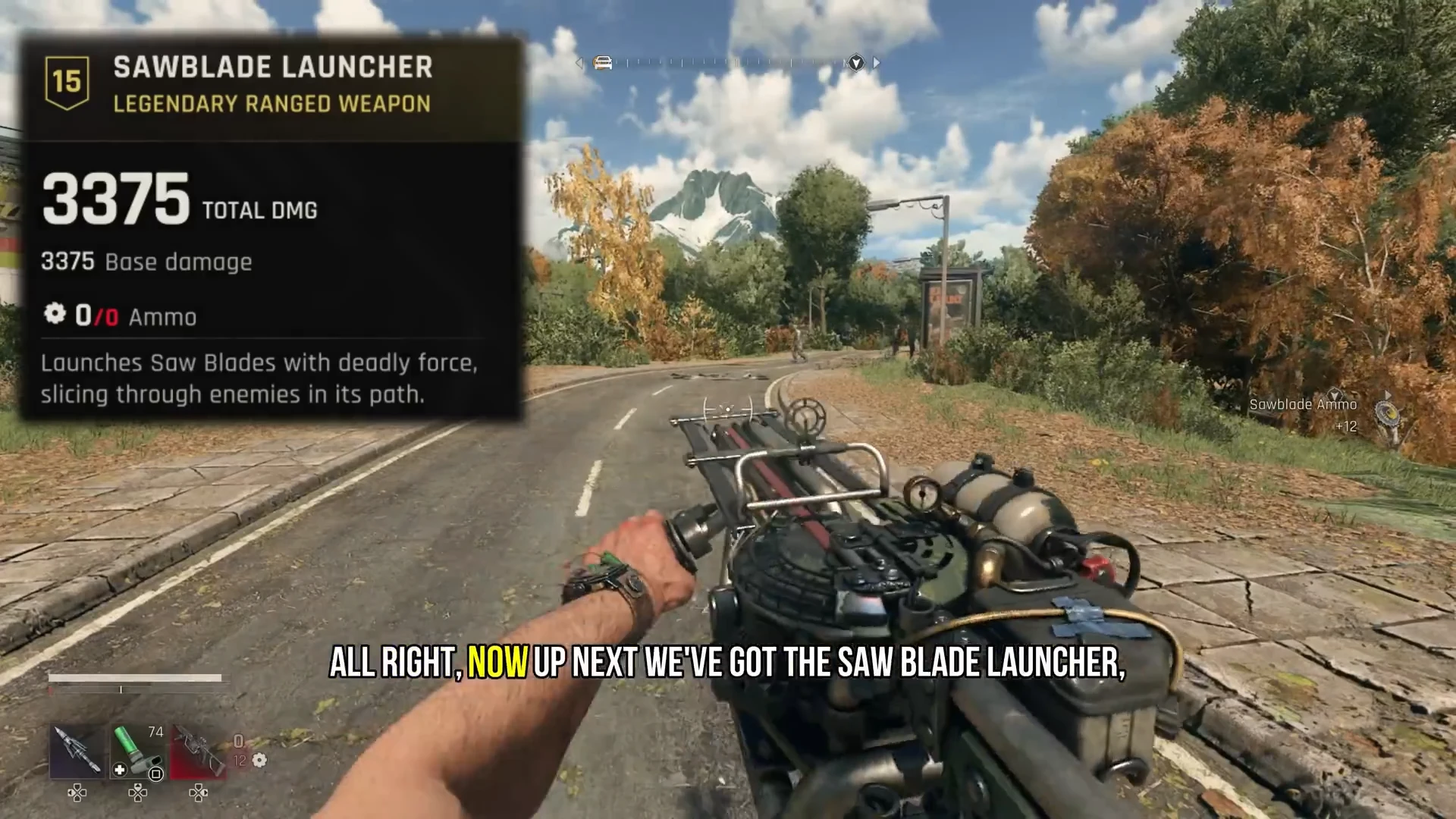
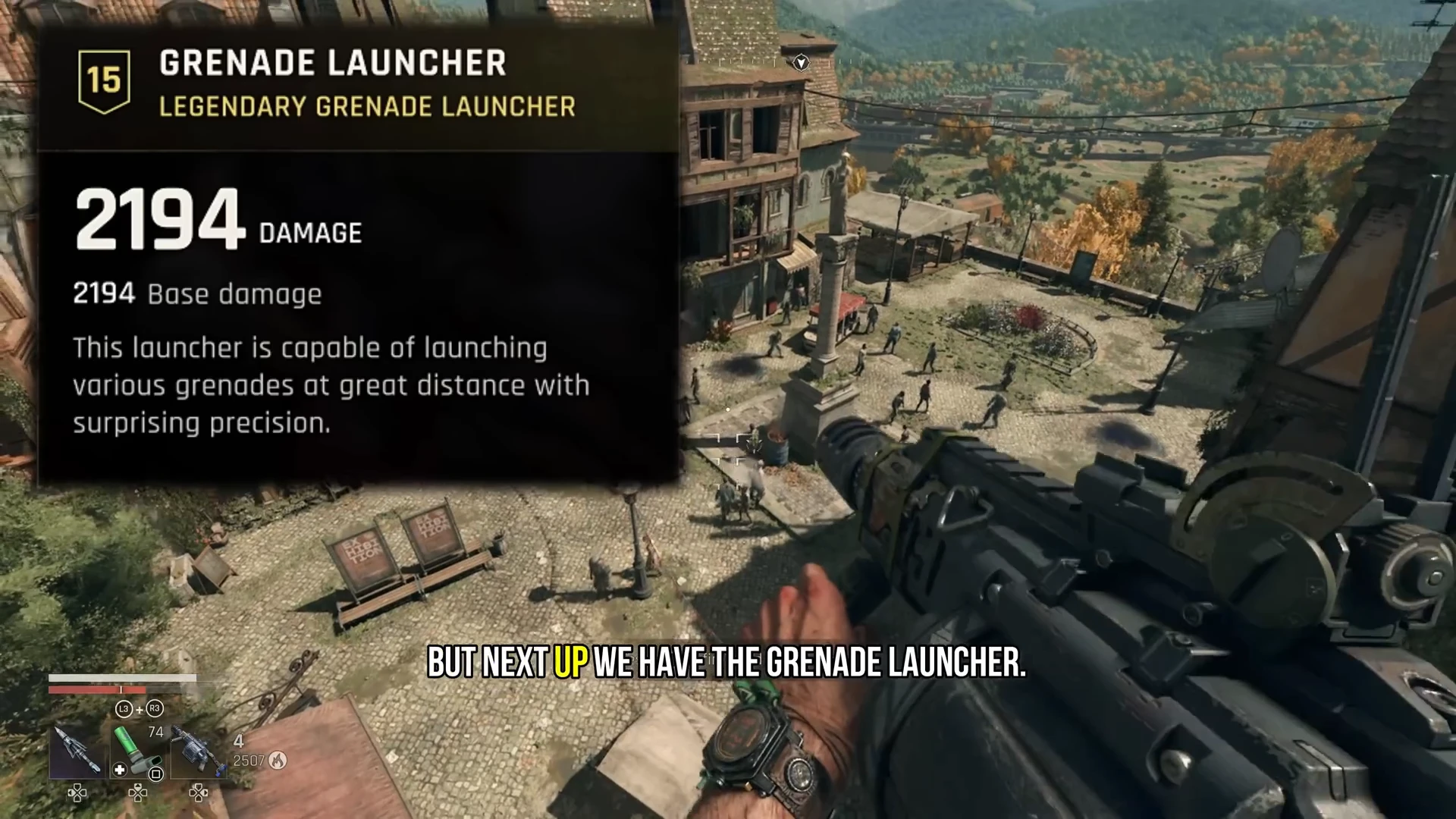
Blueprint Upgrade Cost Tracker: Endgame players seeking maximum combat effectiveness must plan their resource expenditure, especially for rare materials and Old World Money. A complex calculator is needed to select a blueprint (such as the Legendary Sawblade Launcher
 text
text
or Grenade Launcher)
 text
text
and see the total cumulative cost of all resources required to take that blueprint from its current level to its maximum desired level. This includes tracking the cost of Infected Trophies, which are looted from special infected types and are critical for upgrading blueprints.
---
III. Advanced Optimization Calculations (Weapon Systems)
The weapon and modification (mod) systems are exceptionally deep, involving variables like base damage, rarity, number of mod slots, and elemental effects (Shock, Fire, Venom, Blast). Optimizing combat effectiveness requires using external data analysis to find the mathematically best loadouts.
Damage Per Second (DPS) and Modding
The player's DPS is not simply the listed weapon damage; it depends on complex interactions between mods, character skills, and gear set bonuses.
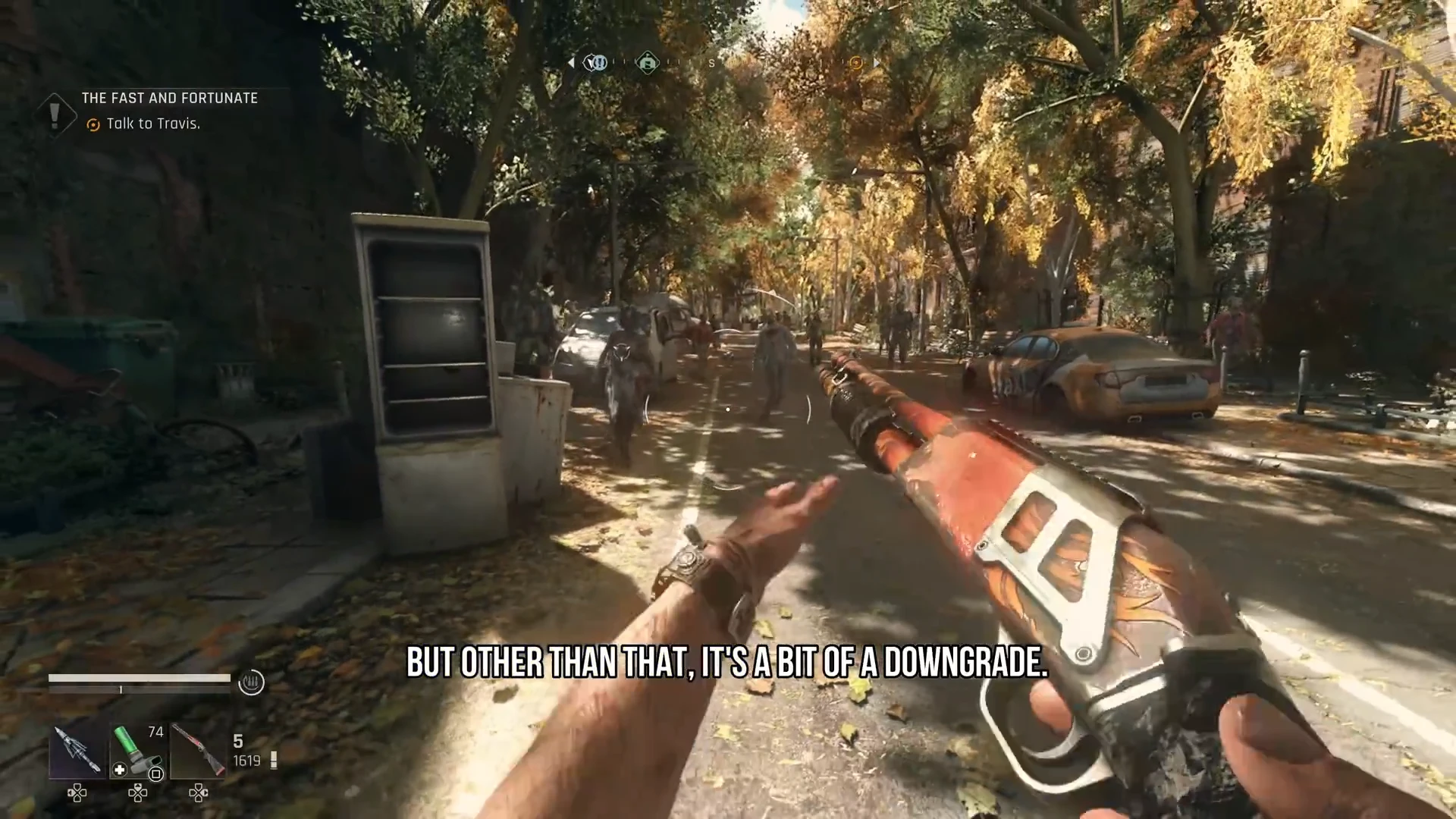
DPS Calculator: This essential tool must account for all factors to determine which weapon/mod combination provides the highest damage output. Key variables include: weapon swing speed, elemental Damage-over-Time (DoT) tick rates (e.g., Fire or Venom), critical hit chances, and damage modifiers from gear sets (e.g., Brawler or Ranger gear).
 text
text
Weapon Mod Simulator: Before committing scarce crafting resources to expensive mods, players utilize virtual simulators to "slot" different mods onto a weapon blueprint. This allows them to see in real-time how the stats, damage types, and special effects change, helping decide if a mod combination is worth the investment.
- Durability and Cost-Per-Hit: Since melee weapons have limited durability and break permanently after a few repairs, players must calculate the value of mods that add durability. An efficiency calculation determines the total hits expected from a weapon after modding, helping decide if a high-damage, low-durability weapon is a sustainable investment.
Mastering the crafting economy is less about blindly gathering resources and more about calculating risk versus reward. By prioritizing essential consumable blueprints like the Bandage, understanding the resource difference between a cheap level upgrade and a costly quality recraft, and using systematic calculation to optimize resource allocation, you transform the necessity of crafting into a strategic advantage against the hordes of Castor Woods.